
In recent years, both dry needling and acupuncture have gained attention as potential approaches for pain relief and wellness. Let’s explore the difference between dry needling and acupuncture. While they share a common tool—a thin needle—their origins, philosophies, and applications differ in meaningful ways. Here’s a clear, pro-acupuncture take to help you understand why acupuncture remains a standout option for many patients.
- Acupuncture: A cornerstone of traditional Chinese medicine with a history spanning thousands of years. It views the body as a network of energy pathways called meridians. Practitioners insert very fine needles at specific points to balance Qi (life energy) and restore harmony within the body.
- Dry needling: A modern, westernized technique used primarily by physical therapists and other clinicians. It targets trigger points in muscles to reduce local muscle tension and alleviate pain. The approach is often focused on anatomical and biomechanical factors rather than energy balance.
Philosophy and mechanism of action
- Acupuncture emphasizes systemic balance. By stimulating acupuncture points, it aims to regulate the nervous system, endocrine responses, and immune function, promoting overall well-being and resilience.
- Dry needling focuses on local muscle physiology. It seeks to deactivate knots, improve blood flow, and reduce nociceptive signaling in a targeted area. While effective for certain pain conditions, its effects are typically more localized and biomechanical in scope.
Scope of conditions treated
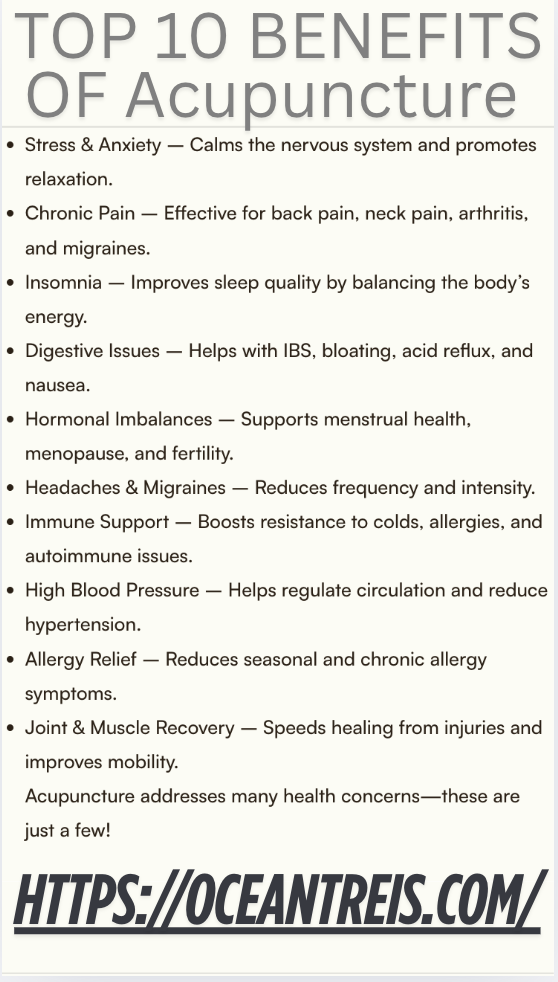
- Acupuncture: Widely used for a broad range of concerns, including chronic pain (back, neck, knee), headaches, stress and anxiety, digestive issues, sleep disturbances, women’s health, and overall wellness. Many people turn to acupuncture for preventive health and quality of life improvements.
- Dry needling: Particularly beneficial for musculoskeletal pain and myofascial pain syndromes, such as palpable muscle knots, acute injuries, and post-workout recovery. It’s a common choice when a practitioner wants to address specific, localized trigger points.
What makes Acupuncture especially compelling
- Holistic approach: Acupuncture addresses physical, emotional, and energetic aspects of health, helping many people feel more balanced and resilient in daily life.
- Versatility: Beyond pain relief, acupuncture supports sleep, mood, digestion, and immune function, making it a flexible option for overall wellness.
- Safety and patient experience: When performed by a licensed practitioner, acupuncture is considered safe with a long-standing record of positive patient experiences. Many patients appreciate the personalized treatment plans and longer, soothing sessions.
Tampa Acupuncture: What to expect at your first acupuncture appointment
- A thorough intake that considers medical history, lifestyle, and personal goals.
- A gentle needle insertion at specific points, which may include calming, non-painful sensations.
- A discussion about your overall health and a tailored plan that fits your needs, with attention to comfort and relaxation during the session.
Tampa residents – book an acupuncture session today
If you’re exploring ways to improve pain, stress, sleep, or overall well-being, acupuncture offers a time-tested, holistic path to health. Curious about how it could help you specifically? Reach out to a licensed acupuncturist to discuss your goals, and consider starting with a gentle, introductory session to experience the benefits firsthand.